Type your question here!

Wednesday, June 3, 2020

Controlling Spurge in Vegetables Without Chemicals

Q. How can I get rid of spurge in my vegetable garden?  I have been hoeing it and hand pulling it just about every day, but it appears to be getting ahead of me this year.  I do not use any chemicals in my garden, so that is not an option.

A. Shade. Spurge hates shade. 

What is Spurge?
Spurge is a pernicious weed; it hugs close to the ground when it grows and germinates rapidly from seed it produces in less than 30 days during summer months. It can also grow new roots if it is hoed and left on top of wet garden soil. It must be removed after hoeing since this plant produces seed continuously.
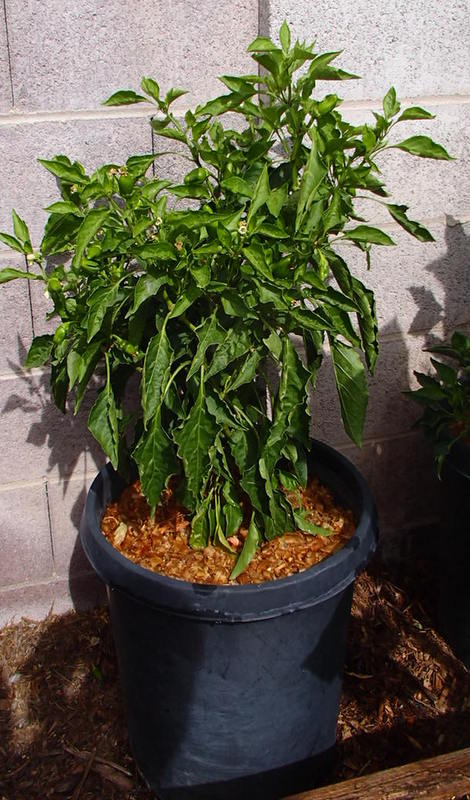
Pepper with horse bedding for mulch.

           Its strengths are how much seed it produces, how fast the seed germinates and its ability to root in moist soil once it’s been hoed. But its big weakness is shade. By that I mean it doesn’t take much to shade it out. If the garden space is full of plants and producing a lot of shade, spurge has a difficult time.
           There are several types of spurge, but I think yours is prostrate or creeping spurge that hugs the ground and makes a tiny drop of white latex when the stem is broken. And of course, lots of seed!
Weeds in onions controlled with horse bedding as mulch

Control Most Weeds with Mulch
           Weeds rob watered light. That’s also their weakness. So, use a surface mulch (½ inch deep) thick enough to shade the soil to defeat it. The application of anything deep enough to keep light from getting to the seed will keep it from growing. 

Horse bedding is nice as a mulch because it decomposes quickly when its wet.

           Apply this surface mulch after planting or the after the seed is up. Garden mulch includes horse bedding, straw, paper (sheets, strips or shredded), cardboard, or anything else that blocks light from reaching the seed.
           Apply this surface mulch early in the season and hoe the soil surface before you put it down. Spurge seed produced during August and later will not germinate until next year. But any older seed still lying on the soil will germinate if it gets water and light. By the way, most annual weeds like spurge (and many others) hate mulch.

Monday, June 1, 2020

WFT Damage on Nectarine Showing Up Now


Q. The fruit from my nectarine had a lot of “sores”; spots with tiny “bubbles” of hardened fluid. Yesterday, early evening, I sprayed the tree with “soapy water” in hopes of improving the problem.

A. Your nectarine fruit has damage from Western Flower Thrips (WFT). That’s one of the reasons I don’t plant too many of them. WFT are hard to control without spraying frequently and soapy water alone won’t do it.  Spraying with Spinosad insecticides weekly until harvest, starting after the flower petals have dropped, has given the best control for me.
           I alternate Spinosad with Neem oil, and soap and water sprays so WFT don’t build resistance to it so easily. Peaches are easier to grow without spraying as much because of their fuzzy skin.

View my posts on this on my blog
Pyrethrin Doesn't Kill Thrips

Why are People Friendly Weed Killers Hard to Find?


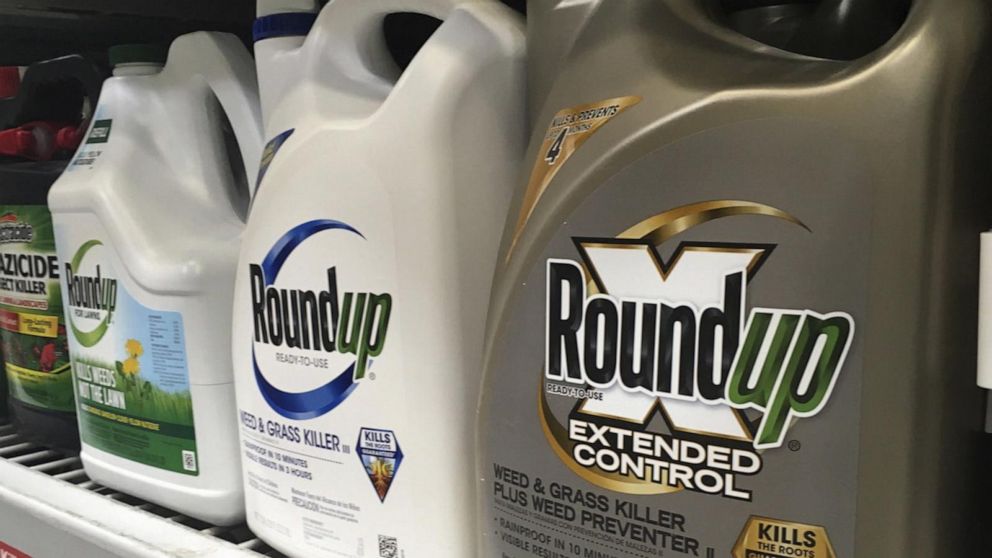
Q. The class-action lawsuits against the weedkiller “Roundup” claims it can cause lymphoma. Nonetheless, nurseries and big box stores still carry it and even promote it. Isn't there a safer weedkiller? I have been using “BurnOut” made by Bonide which is promoted as being pet and people safe. Why is it so hard to find?

Third US jury finds Roundup weed killer likely caused cancer ...
Roundup is carried by many so-called box stores and is still a popular home weed killer. 

A. Products like “BurnOut” are not required to show “efficacy data” before entering the consumer market. “Efficacy data” demonstrates to the regulatory agency that it does what it says it does. It’s a form of consumer protection. There are other companies besides Bonide thatproduce products like these.


           There is a list of ingredients considered “organic” and exempt from regulationby the federal Environmental Protection Agency (EPA).  Each state determines if these products should be sold or not through whatever regulatory agency is responsible. Efficacy data may or may not be required by a state.
           “BurnOut” contains citric acid and clove oil as active ingredients. “Roundup” contains glyphosate as its active ingredient. “BurnOut” is a weedkiller that kills by contact. “Roundup” moves inside the plant and is therefore considered a systemic weedkiller. If you look at both labels, “Roundup” must demonstrate that it does what it says it does. This requires EPA registration. There is a federal registration number on the label showing it has met that requirement.
           Citric acid and clove oil are considered “organic ingredients” and do not require the submission of efficacy data to the federal EPA. There is no federal EPA registration number on the “BurnOut” label. Also, PPE (Personal Protective Equipment such as gloves and eye/nose protection) is not required when using products like “BurnOut”. You must wear PPE when using “Roundup”.
Why Not as Available?
           My guess is that products such as “BurnOut”, as well as homemade weed killerrecipes promoted on the Internet, are “contact weed killers”. Whatever plants with leaves you spray, you kill. “Roundup” is a systemic weedkiller that mostly targets grasses but kills many other plants as well and kills the roots as well (systemic) so there is little to no regrowth of perennial weeds.
           Why products like “BurnOut” are not found more? I think a lot of it has to do with the investment the company makes when developing these products, in many cases millions of dollars. I don't believe Bonide does not have to invest as much money and show “efficacy data” when developing and marketing a product like “BurnOut”. I will handle this in more detail on my blog.


Removing Root Suckers


Q. Is there a simple way of stopping or preventing the volunteer trees, i.e., new tree growth that suddenly starts growing near the base of original tree? 

Root suckers can pop up at any distance from the tree. They can be used for propagation but remember, as in this case, the suckers are clonse of the rootstock and not necessarily the tree on top (scion).

A. Some plants grow “suckers” at the  base of the plant and others produce suckers, or new growth, a distance away from the plant.  If roots of suckering plants find water and it is out in the open with enough sun, they will sucker. 
Oleander suckering from its base (crown).

This is the difference between suckers arising from the stem or trunk (sometimes called the “crown”) and growing from the roots. Plants that can grow as a bush sucker from the crown. Plants that forms “thickets” grow suckers from their roots. Roots suckers are common to some plums and jujube as well as landscape trees like elm.

Jujube suckering several feet away from its trunk. Several trees have root suckers like Jujube when they must survive fires.

           So far, the only practical way to eliminate them is to slice the roots and remove these plants, roots and all. To prevent diseases found in the soil from invading the tree roots, allow these cut surfaces to heal 24 hours before burying them again.

Sunday, May 31, 2020

Recommended Fruit Trees for the Mojave Desert

This list was previously put on my blog years ago and I have been asked about updates. The varieties listed here were tested in North Las Vegas with at least five trees per variety for at least 5 years before they were given a rating and the "green light" for planting. Some didn't make it, either because of winter cold temperatures (citrus, Mexican nopal cactus), possible low humidity problems (sweet cherries and 'Hachiya' persimmon) summer high temperatures (filberts, rhubarb), and poor growing conditions (filberts, rhubarb, blueberries, some blackberries, raspberries). 

Just because they didn't make it in North Las Vegas, try it in your microclimate. They might work and please let me know. Give them at least three growing seasons (preferably 5) before you claim a winner.

 
Citrus does grow in Las Vegas. It just depends on the microclimate of where its growing.
I would like to thank Dave Wilson Nursery (particularly Tom Spellman and Ed Laivo (formerly at Dave Wilson and now at Burchell Nursery) for supporting this project. About 95% of the fruit trees planted were donated. I would also like to thank Tony Valenti , Owner of First Choice Tree Service for believing in my project enough to donate woodchips to use as a soil mulch when local tree companies were against it. They donate woodchips to the University Orchard still in 2020. which is then donated to the community through the Community Mulch Pile.
Community Mulch Pile at the University Orchard in North Las Vegas. There is a second community mulch pile located south of McCarren Intl. Airport. Call 702-257-5555 during the week and get the details.

What is a Microclimate?

Microclimates in landscapes can have different temperatures during the summer or winter (hot walls, shade, freezing temps), humidity (lawn, pool, fountain), sunlight (reflected glass), differences in wind (channeling between buildings) and all these affect plant performance in the desert. Plants do best when everything is still, plenty of sun (but not too much), temperatures
warm, and humidity moist.

Citrus

Citrus include kumquat, lemons, limes, oranges, grapefruit and others. By now you should know that kumquat is probably the most cold hardy of the group, followed by Myers Lemon, Grapefruit, and others. Citrus is not included here because we lost the citrus to low winter temperatures (below freezing weather) before the five years was up. However, in some locations around Las Vegas citrus was thriving. At another location, the same thing happened or they were heavily damaged by the winter cold. So be careful planting citrus here.

The second problem with some citrus are January, February and other late spring freezes. These freezes eliminate some or all of the fruit coming from citrus flowering then.

Low Humidity

Another characteristic of the Mojave Desert is its low humidity. Very low humidity. This is a problem for some fruit trees. Sweet cherries and 'Hachiya' persimmon also were not listed, because they seldom produced much fruit unless there were spring rains. Yet in some locations in Las Vegas sweet cherries produced every year! I think it was because of the low humidity. Residences with lawns or a swimming pool close by produced fruit. Some tropical species also have problems with fruit set at a humidity lower than 30%. It is believed to happen because of the drying of pollen.

Go to my fruit tree list (former blog post)

Wednesday, May 27, 2020

Peach and Apricot Production at Orchard at Ahern

This is the current (2020) production coming from peaches and apricots at The Orchard at Ahern. The Orchard at Ahern is located between Bonanza and Washington off of Clarkway. There are about 3000 fruit trees planted in this 8 acre orchard only 1 1/2 miles from the Las Vegas Strip.

The Orchard at Ahern is a 3000 fruit tree orchard located on Ahern property only 1 1/2 miles from the Las Vegas Strip.

Apricots pruned for height control spaced at 10 ft between trees and either 10 ft between rows or 14 ft for equipment movement.


Apricot production. Apricots and aprium varieties totaled about ten different varieties with chill ranging from a little over 200 hours to over 700 hours and no fruit thinning.

Apricot and aprium varieties include Flavor Delight, Leah Cot, Summer Delight, Katy, Chinese, Royal Rosa, Blenheim, Flavor Giant, Gold Kist among others on semi dwarfing Citation (preferred) and Myro 29C.
Peaches were on the same tree spacing as apricots and pruned to the same height.

Peaches were thinned by pruning when they were dormant during the winter. No hand thinning of individual fruit was done.


About 24 varieties of peaches and six varieties of nectarines were planted about four years ago. Again our favorite rootstock when keeping them under ten feet tall is Citation semi dwarfing rootstock.


Friday, May 22, 2020

"Red Push' Chinese Pistache for Residential Landscape

Q. We Live in the Phoenix, Arizona area and have two 10'x10' planters made of pavers and want to plant ‘Red Push’ Chinese Pistache in them. I am worried about damage to pavers from the roots. Irrigation would be from drip irrigation system on a timer.
One of the planters for a Chinese Pistache tree

A. ‘Red Push’ Chinese Pistache tree can get 50 to 60 feet tall with irrigation. In my opinion, this tree is too tall for most residential properties. You need a large landscape, a park or city streetscape to accommodate that size.

Read what Chris Martin from ASU has to say about Chinese Pistache in the Phoenix area.

The size of the planters should not be a problem when planting Chinese Pistache if using a soil coarse textured enough for good drainage and not planting shallow rooted flowers in there that require frequent, light irrigation. If planting something else in that planter, select plants that have deep roots or that don’t require frequent irrigation.

I would select a smaller tree. I have the feeling you selected that tree because of its fall color. There are other reasons for tree selection than just one trait. What sizea tree is needed for those planters? 20 feet? 30 feet? Remember, larger trees usually use more water. What shape should it be? Arching? Round? Upright?

The Phoenix area has some pretty good wholesale nurseries that grow plants for the desert including Mountain States Nursery and Arid Zone Trees. Take a look at what they have to offer.


Thursday, May 21, 2020

Desert Horticulture Podcast: Thinning Fruit

Thinning fruit, or fruit removal so the remaining fruit become larger, does not have to be a mystery. It is a management process that you must do for most fruit trees. If you don't, the remaining fruit will not become larger. But on some fruit trees it doesn't work. Learn which ones it doesn't work on and why in this Desert Horticulture Podcast.


Wednesday, May 20, 2020

Desert Horticulture Podcast: Bottle Trees, Spider Mites and Yellow Plants in Desert Landscapes

Learn why Bottle trees are NOT desert trees, managing spider mites in home landscapes and the reasons for the yellowing of plants growing in desert soils.


Monday, May 18, 2020

Sunburn A Huge Problem in the Desert

Our light intensity is very strong in the desert. Some thin barked trees and shrubs get sunburned if they don't have enough protection from strong sunlight. The natural way to protect plants from sunburn is to allow these plants to shade their own trunks and stems with leaves. Not providing enough water can thin out the canopy of trees and shrubs and encourage sunburn.
Sunburn, like on this ash tree, starts out as a discoloration of the wood.
Plants that typically sunburn include many of our fruit trees, mostly peach and apples. Ornamental trees and shrubs also get sunburn. Plants that I see with sunburn include Japanese blueberry, locust trees, ash trees, Indian Hawthorn, and others.
Sunburn can happen to fruit, too. This yellow apple has the first sign of sunburn on the fruit facing the sun.
Severe sunburn causes the plant to die on the side exposed to the sun. Bark on this side is loosely attached to the trunk. When you pull this bark away from the trunk you may see oval-shaped holes in the wood. These are exit holes of borers. Removing the bark also removes hiding places and birds have a better chance picking them off when they emerge.
The side facing the sun dies under severe conditions and boring insects can invade the living parts on the edges of the damage. Eventually this becomes part of the tree that dies.
Having rock mulch around plants that do not like rock mulch reduces the number of leaves and increases the chance of sunburn. Plants that do not like rock mulch, like the ones I mentioned above, will develop an open canopy, leaf loss, and sunburn.
In the case of sunburned fruit the area darkens as the sunburn worsens.
What's the problem with sunburn? When humans get sunburn we recover. When plants get sunburn, particularly in a desert climate, they frequently decline and die. Attack by boring insects, or borers, is the first phase after sunburn damage. The borers create more leaf loss which increases sunburn. At this point the plant falls into a death spiral.
The side of the branch or trunk facing the sun has the most damage. In this Bottle tree it is the upper surface of the limbs.
Use surface mulch, particularly wood chips, and not bark mulch. Don't water trees and shrubs daily. Water them two or three times each week during the heat of the summer. Reduce the number of times per week during the cooler months. When they receive water, it should water the roots to a depth of at least 12 and preferably 18 inches.

Message to Landscape Maintenance Contractors and Homeowners

As I was walking my property, I was thinking about landscape maintenance contractors and what they should be doing when going from job to job. As I thought about it more, I realized it would be a good message to homeowners as well.
Alcohol wipes are safe and easy way to sanitize pruners.


Sanitize Pruning Equipment

Tree and plant diseases like Sooty Canker and Fireblight and, who knows even though its not proven, Ash Decline. We know that many plant diseases are passed along from plant to plant and residence to residence by unsanitary equipment, hands and clothing. Sanitize your pruning equipment between residences. If you see a plant or tree that you are trimming and it doesn't look right, SANITIZE any pruning equipment you use on it. Then educate your customer. Let them know you are doing it and why. Make it a difference between your company and another who doesn't know or, worse yet, doesn't care!

BTW, most tree diseases are spread when the tree is actively growing so a good time to prune is during the winter months. ALWAYS sanitize your tools when plants are growing.

Sanitize Mowers

Besides lawn diseases, lawn weeds can be passed on from property to property on unclean mowers. Everyone is using a mulching mower now but they still need to be cleaned, particularly when a disease is active. Our lawn diseases are mostly "hot weather diseases" like Summer Blight. Many of our worst weeds I hear complaints about are "winter weeds" like Poa annua. Spreading lawn diseases and weeds lasts 12 months long. Ask to use your customers hose and wash mowers between jobs, Turn the mower over and spray the blade with a sanitizer before the next job.

Handling Your Boss

More money is a good incentive. Instead of being the "tree hugger" or "plant person" on a job, use the money angle. Charge a little more for the work you do. Or tell them it will reduce costs. It costs a bit more to sanitize your tools and equipment but your customers will pay for it. As I always tell my students, "Pursue the HIGHEST dollar you can get, not the LOWEST!" Charge for your time and let the customer know you are doing something about the spread of plant diseases and weeds.

Sunday, May 17, 2020

Know the Difference Between Carolina Laurel and Bay Laurel

Q. I found your blog, Xtremehorticulture of the Desert, and hoping you can tell me if my tree is a Bay Laurel or not. I looked at pictures of Carolina Cherry trees that look similar. This tree has supports which I know need to be removed at some point. The tree was planted by my builder in February of last year.
Bay Laurel just after we pruned it

A. Looks like Bay Laurel to me. Bay Laurel is a Mediterranean tree and more tolerant of our desert climate than Carolina Cherry Laurel. Carolina Cherry Laurel is native to the southeastern US and not tolerant of desert conditions without proper site selection, soil preparation and watering.
Carolina cherry laurel is native to the SE United States so it struggles when planted in hot locations with inhospitable soil. This one is suffering from iron chlorosis.


            One easy way to tell the difference is to crush the leaves and smell the herbal (Bay) aroma.  Bay Laurel leaves have a pungent aroma. When you crush the leaves of Carolina Cherry Laurel they have an aroma of maraschino cherries rather than herbal.

            The second way is to look for round “glands” at the base of the Carolina CherryLaurel leaf where the leaf is attached to the petiole (leaf stem). These “glands” are characteristic of many plants in its genus (Prunus) like plums, cherry, peach, etc.
            In 98% of the cases, the “supports” or stakes should be removed after one growing season. There are a few cases when the trees do not establish rapidly due to grower mismanagement or poor planting practices and need support longer than this.

Orange Palm Leaves Signal Time to Prune

Q. The bottom layer of my palm fronds turned an orange - yellow color almost overnight. Is this from too much water or not enough water?
Palm fronds may turn orange before they become yellow or brown and then die. Its your signal to prune.

A. Neither. The cause of these fronds turning orange or yellow is natural. These orange and yellow colors are already there, masked by the strong green color that the chlorophyll provides. We see the same color changes with “Fall color”.
Canary Island Date Palm with lower fronds dying naturally.
            The bottom layer of fronds die naturally. As these lower fronds approach death due to old age and shade, some of the minerals in the leaves are absorbed back into the palm, first turning the lower fronds orange or yellow and eventually brown. Sometimes these color changes occur quickly and other times more slowly. How fast depends on how hot it is.
Fan palm with brown lower fronds in need of pruning and removal.

            The nitrogen, phosphorus and potassium move out of the frond first followed by magnesium, chlorine, zinc and molybdenum. Lesser mobile nutrients are left behind which include sulfur, iron, boron, and copper. These mineral “remainers” dominate the content of palm fronds. This color change is your signal to cut and remove palm fronds.

Look for Borer Problems As it Gets Hot


            I had reports sent to me about peach trees with yellow leaves on a single branch. You might see this on other fruit trees such as apple as well. For those of you lucky enough to have this condition on your fruit tree then this may be an indicator of a borer problem that needs treatment now. Let us talk about what else to look for to confirm it and what to do.
Borer problem on the limb of a three year old peach tree.

            Notice I said, “yellow leaves on a single branch”. This is important because borers usually lay their eggs on a single branch, not all over the entire tree. The only exception is if your fruit tree is newly planted or less than two or maybe three years old. In this case, the borers may find the trunk of the tree enticing for egg laying and kill the entire tree outright. Usually borer damage is in full sun, on the south or west sides of the trunk.
Jelly-like sap oozing from the trunk or limb of a susceptible tree after a rain is a pretty good tell-tale indicator of borers. 

            Look for sun or borer damage to the limb with yellow leaves on its upper surface. Borers seldom affect the shaded sides of branches or on the north or east sides.
Borer damage to a newly planted tree can be lethal because the tree is so small.

            What to do? Buy an insecticide that contains imidacloprid listed in the active ingredients on the label.  Follow the label directions for a “soil drench” applied around the base of the tree where water is applied. You would do this now but I would treat the tree as a non-edible for the next 12 months even if the label permits its use on fruit trees.

            I have had some luck using a sharpened, sanitized knife without an applied insecticide. The knife is typically 6 to 8 inches long with a good-sized blade for removing the damaged bark. The damaged area is skinned away from the limb until fresh wood, not damaged by the borer, is seen. The damaged area cut away by the knife is only about ¼ inch deep. This cut area is not treated in any way but allowed to heal on its own.
I have had some luck using a clean knife and eliminating borer neighborhoods. I have no research to back it up but it seems to work sometimes.


Sucker Growth From the Base Can Signal Drought

Q. We have three Japanese Blueberry trees in our yard: two in the back and one in the front.  All three have dead branches that snap off when you bend them.  Yet there are scattered green leaves above the dead branches and far more green leaves at the bottoms of the three plants. Is it possible this is due to lack of water?  They were all planted about 4 1/2 years ago.
 
Some plants will die back and regrow from its base. This can be due to a lack of water or sunburn in high light intensity environments.
A. Sounds about right. Sounds like the trees went through a dry spell and then regrew. Oftentimes when trees come back from drought they sucker from the base. But some trees like oleander (grown as a tree, not a bush) will sucker from its base naturally because it wants to be a shrub. If the drought lasts quite awhile, the top can also die back. There are trees that sucker from the base naturally, but this tree shouldn’t unless it was stressed.
Japanese blueberry struggling in our hot, dry desert climate.

            Whatever caused the stress (you are guessing maybe a lack of water) suckers grew from the base of the tree. The top may have “fried” during the drought, and then grew leaves again, from leaf buds on the stem, when water was reapplied.
            You are aware that Japanese Blueberry is not a great choice for desert climates. It is not a “desert adapted” tree. Does great in coastal California but not the desert. Make sure the trees are planted in the mildest microclimate you have (probably east or north side of your home), the soil was amended at the time of planting, water applied under the canopy 18 inches deep and the top of the soil covered with woodchips and not rock.

Get free woodchips and load them in plastic bags, a car or a pickup truck. Call the Master Gardener helpline at 702-257-5555, M-F,  and see if any are available and where.

How Often to Water During the Heat

Q. How often should I water my trees and shrubs with all this heat. The weather got hot so quickly, I’m not sure when to water. I have a California Pepper Tree, two big palm trees and five Japanese boxwood shrubs.
California pepper tree that was planted too close to cement and so lifted it with its roots.

A. First off, don’t violate your water purveyors watering directions. These policies are in place to coordinate community water use and lower the costs of supplying water to end users like you. If you live in Las Vegas you can see it here.
            All the plants you mentioned are called “mesic” plants and require more frequent irrigation compared to (xeric) desert plants. The amount of applied water depends on the size of the plant. As plants get larger, more water is applied to a larger area (even though the water wets the same depth of soil) under the plants canopy.
Watering cacti too often can contribute to fast growth and so much succulence it cant stand up against its own weight.

            Apply water to all the area under the plants canopy. This advice might be difficult to do with larger trees like your California Pepper, so apply water to at least half the area under a plants canopy when they are big. This way they won't blow over as easily during a windstorm.
Watering frequently near the base of a plant can cause it to lose support during a windstorm.

            Lawns, annual flowerbeds and raised beds for annual vegetables require daily, or near daily, applications of water. Sometimes they need water twice a day. These plants should receive water that wets the soil to a depth of about six to 10 inches with each watering.
A piece of rebar can be used to judge how many minutes to water. Rebar pushes easily into wet soil.

            Shrubs and patio trees should be watered to a depth of 18 inches. Medium sized trees around 30 feet tall should receive enough water to wet the soil to a depth of 24 inches. Large trees need the soil wet to a depth of 36 inches after an irrigation.
            How to know if the applied water went deep enough? Use a straight, 4-foot-long steel rebar and push it into the soil after an irrigation. It stops going deeper where the water stops.
            How to water deeper with the same number of minutes? Add more drip emitters under the plant.

Hang Garlic in the Shade to Dry

Q. I recently harvested my garlic crop, wrapped it in burlap, and hung it up to dry.  How long should I let it dry in the Vegas heat? Last year I let it go for over a month and the bulbs got mushy.
Freshly harvested garlic.

A. If the bulbs got mushy then it was harvested too early or the bulbs stayed too wet. In our climate, don’t wrap garlic in burlap but dry it in the shade instead. I never had problems drying garlic. I leave the tops attached, bunch them together and hang them in the shade.
Chesnok Red garlic hanging in the shade to finish drying.

            To me, this seems a bit early to harvest garlic. My garlic was harvested in late May or June when the tops had dried back about 1/3 in the field. It is hard to tell without seeing them, but the bulbs should be fully developed when harvesting. Browning of the tops is a way to know if they are starting to mature or not. If you let the tops all turn brown then the “paper” wrapping around the bulbs will get damaged.
Polish White garlic growing in North Las Vegas.

            Garlic is planted in the Fall and harvested in early to mid-summer after the bulbs have formed. Shake the soil from the plants when you harvest, don’t wash them. I grew about 25 varieties of garlic and they all did well here. This is a good climate for garlic. So, keep an eye on the plants and harvest them when they are fully formed on their own and dry them in the shade.

My Santa Rosa Pollinator Died and I Have Pluots

Q. I have a 2-year old Flavor Supreme pluot and a four-year old Flavor King pluot. Recently my Santa Rosa plum (their pollinator) died from borers. The Flavor Supreme had only a few fruit while the Flavor King was loaded. Do I need to plant a plum tree to pollinate the Flavor Supreme? Or does it have a small number of fruit because it is only 2 years old? 
Ripe Santa Rosa plum ready for picking.

A. Flavor Supreme pluot has wonderful fruit but its production is sketchy because of spring freezes. So most likely the tree was thinned of some fruit by some late spring freezes. Plus, its only two years old! Some years Flavor Supreme may get no fruit even though it flowers because of a freeze. This is less likely to happen with Flavor King.

Flavor King pluot. Has a lot of plum in its genetics.

            Santa Rosa plum produces good soft fruit in our climate and is a good pollinator for most pluots. Flavor Supreme is a pollinator for Flavor King pluot as well. Throw Dapple Dandy pluot in that group as well. But pluots will still produce fruit without a Santa Rosa plum or pluot in your yard. Just possibly a lighter crop. If a neighbor has a Santa Rosa plum or Dapple Dandy pluot then it is to your benefit.
Flavor Supreme pluot


May is When Agaves Die


            I am getting quite a few emails about cacti dying, particularly agave. Some are guessing the culprits are ants, diseases and other readers appear to be stumped.
American Agave can die in about May of any year.

Agave Weevil

            The culprit is the agave weevil that lays its eggs at the base of agave leaves. As their young-uns hatch from the eggs, they burrow into the stem of the agave and all through it including the roots. The plant rots and dies from all the damage done usually in late April or May. We are seeing it now. A pesticide applied around its base in March, and lightly watered in, usually prevents the damage from getting worse. The other option is not to grow agave.
Agave weevils can decimate agaves in May if left unchecked

Drainage a Must

            If you’ve never grown any cacti before, make sure the soil drains easily of water and that don’t water these plants too often. I have found a deep watering every three weeks is frequent enough to push new growth and get the plants larger.

Know the Origin of Your Cactus 

Some cacti are not meant for very hot locations because they come from milder climates. Photo taken at the LV Sorings Preserve.
Some beautiful cacti and other succulents come from the hot, dry deserts of Central and North America. Make sure they are placed in full sun. Other cacti may come from milder, coastal or high-altitude desert climates and need protection from the intense Mojave Desert sun. Knowing where cacti come from empowers you and its landscape placement.

Toxic Chemicals in the Soil Cause Problems for Ornamentals


Q. I have a Mexican Bird of Paradise and ‘Sun Trumpet’ Tacoma plant growing close together. Both have deformed, dwarfed growth, and damaged leaves. The Bird of Paradise feels sticky as well. I tried sprays for insects, including Neem oil, and cut the plants down completely to have them grow back with the same issue. Other plants in the yard are doing fine. Any help is appreciated.

Herbicides applied to the soil or on a hot windy day can result in damage to the leaves and stems of plants. Sometimes plant death.

A. I don’t think these plants are facing a disease or insect problem. 

Soil Contamination Possibly

It is hard to say without guessing, but from your description it sounds like a soil contamination issue. Plant an ornamental grass and broadleaf plant in that area and see if you get the same response. If it were a cooler time of the year, I would tell you to germinate a seed mix with grasses and wildflowers in it.

Brush Killer or Soil Sterilant

            There may be a weed killer applied to this area and responsible for this problem. Some weed killers like dicamba, if applied at a heavy dose or used as a “brush killer”, can damage broadleaf plants like your Bird of Paradise and Tacoma and not hurt grasses. The high rate of this type of herbicide is why some weed killers are labeled as a “Brush Killer”. There are other weed killers sold as “Soil Sterilant” that can persist for years and kill most plants grown in that soil.

Replace Soil or Change Plants

            Some weed killers are difficult to remove by leaching with water. If the ornamental grass isn’t damaged but the broadleaf plants are, then either replace the soil in that area to a depth of about 12 inches deep or only grow ornamental grasses in that spot.