Type your question here!

Showing posts with label fruit. Show all posts

Friday, February 17, 2023

Some Plants are Damaged if Temperatures are Above Freezing

Some plants can get damaged at temperatures above freezing. Learn how and which ones.

Chilling damage occurs mostly to tropical fruit if temperatures are like a refrigerator.

Freezing Temperatures

This is the time of year, the second week of December, we normally experience the start of freezing temperatures. The likelihood of freezing temperatures increase through the winter. Sometimes freezing temperatures occur in November, as it did a few years ago, but that's rare and not “normal”. What I mean by “freezing temperatures” is plant damage that occurs anytime the air temperature drops below 32 degrees Fahrenheit (F). Those familiar with Celsius or centigrade, may realize this temperature is the same as 0 degrees on the Celsius scale.

What is Chilling Injury?

As a reference point, the temperature inside most refrigerators is set to around 40 degrees F, or 8 to 10 degrees above freezing; too cold for most tropical fruit and plants but not too cold for temperate fruit like apples and peaches. Chilling injury (plant damage that occurs because air temperatures are too cold for the plant but not yet freezing) is one reason many ripe tropical fruits, like tomatoes and (more obviously) bananas, should not be exposed to the 40-degree F temperatures of a refrigerator. All parts of tropical plants such as tomatoes and bougainvillea, experience “chilling injury” when temperatures drop a few degrees above freezing and may extend to 50+ degrees F. Chilling injury (as opposed to freeze or frost damage) occurs at different temperatures and depends on the plant.

Chilling Damage

Chilling injury damage to tropical and subtropical plants include small stem and leaf discoloration, leaf roll, poor growth, and susceptibility to some diseases like root or collar rot. Symptoms of chilling injury include a change in color such as yellowing or bronzing of leaves that ultimately result in leaf scorch or drop, the slowing or halting of growth, leaf drop, water-soaked patches in soft and semi-hard tissues, susceptibility to diseases, and wilting. Chilling injury is due to cooler or cold weather (above freezing) temperatures to tropical plants growing outside of, or close to, the fringes of their normal range. As a side note, I noticed leaf and stem discoloration (closer in color to leaf “bronzing”) in mesquite, palms, citrus and a wide range of plants growing at different temperature ranges.

Warm Season Vegetables Usually Have More Chilling Damage

Vegetables can exhibit chilling injury and freezing damage as well. So-called “warm season vegetables” such as tomatoes, peppers and eggplant can show chilling injury anytime the air temperature drops into the damaging temperature range I mentioned earlier. Cool season vegetables, on the other hand, may sail through the same temperatures, or lower, or require a crop cover when temperatures are below freezing. Vegetable varieties may differ in their chilling injury by a few degrees. The ‘Dragon’s Tongue’ variety of bush bean is more susceptible to collar rot (chilling injury) when grown in garden soil a few degrees cooler than other bush bean varieties.

Refrigerator Temperatures Result in Chilling Damage

Temperate fruit like apples and pomegranates, unlike tropical fruit like tomatoes and bananas, are not damaged at refrigerator temperatures (around 40 degrees) because fruit from these trees can handle these lower temperatures. The ideal storage temperature for these types of fruit is somewhere close to freezing (0 degrees F) and combined with high humidity. A high humidity slows water loss and helps delay some fruit from shriveling.

Freezer Temperatures Result in Freezing Damage

The freezer part of our refrigerator is set to around 32 degrees F, or about 10 degrees below the “refrigerator temperature.” Our nighttime winter temperature frequently drops to a “refrigerator temperature” range at night during the late fall, winter and early spring and occasionally into the “freezer temperature” range during the early morning hours of December, January and occasionally early February. When nighttime temperatures reach the “freezer range” is when we often times see plant damage or experience fruit loss, but we may not know it yet.

Open Flowers are All Subject to Some Type of Damage

Open flowers of any fruit (citrus, peach, apple and others) can’t handle temperatures below freezing (32 degrees F) even though most plants or trees might show no damage at all! When flowers are simply buds and not yet open, there is a small amount of freeze protection provided to the developing flower. This freeze protection starts disappearing as the flower buds mature into open flowers. As the flower begins opening, and the frost-sensitive ovary is surrounded by the freezing night air, is when we experience damage or fruit loss. Fruit loss due to a frozen flower ovary can happen in a few seconds. This is why sprinklers, ultimately resulting in applied water turning to ice on the flowers, are used in orchards to prevent freeze damage to flowers (ovary). The act of water freezing releases a small amount of heat that protect flower ovaries from death.

If you are curious if the ovary of a flower from your fruit tree was damaged during a freeze, pull the flower apart a few days after a suspected freeze and inspect the ovary for death. Ovaries that eventually turn into fruit will be robust and green. Dead flowers drop from the tree early or have a dull, water-soaked appearance if they are still attached. Just because the flower you inspected was “dead” doesn’t mean there will be no fruit produced at all. It takes about two or three weeks for all the flowers to open in spring flowering plants. Several consecutive light freezes in a row (or only one hard freeze) are needed to totally wipe out a crop of fruit from a mature tree.

 There is a temperature difference between the freezing death of open flowers and the freezing damage or death of the plant or tree. For citrus this difference can range from the same temperature as flower death (32 degrees F; limes and true lemons) to lower temperatures (mid 20 degrees F; Myer lemon, grapefruit, and kumquat). Much of this depends on how many minutes or hours a killing freeze lasts and at what temperature.

Temperature, and duration of that temperature, are what is critical. With open flowers, freezing temperatures are needed for just a minute. With plant or tree death, the same temperature is needed for a longer time period. With some fruit trees (such as citrus), the temperature difference between flower and tree death can be small (0 to 7 degrees). In other fruit trees (such as apples, pear, peach and apricot) it can be much greater (20 degrees or more).

What to do about freezing temperatures and fruit or plant loss? Track and use weather station apps during times when freezing temperatures might occur. Buy a recording thermometer for your backyard and hang it in your important trees. If you are into growing vegetables, use a soil thermometer to judge when to precisely plant.

Move fruit trees to a new location. If your fruit trees are less than three to four years old, now is the time of year to move them. South and West-facing sides of walls and buildings are tough to grow plants because of the heat they reflect. Some citrus are in landscape “wind tunnels” that remove flowers during strong winds. North and east sides of buildings and walls as well as backyards have a gentler environment. In cooler, gentler areas of the landscape expect flowering to be two to three weeks later. Group plants together so they can share water, fertilizer, and protect each other. If they can't be grown together, consider constructing wind barriers.

Try kumquats which are a cold hardy, subtropical citrus trees. The small fruit can be freshly harvested and eaten from the tree but still gives you that citrus “kick”. Kumquat flowers several times during the summer instead of just once and yet is small enough to grow in a container. Flowering more than once during a single growing season increases your chances of having a successful crop if you have late or multiple freezes.

Grow fruit trees that flower continuously. Pomegranate, fig and jujube are temperate cold and heat tolerant fruit trees that flower continuously through the growing season.

Always group plants and fruit trees together. Improve the soil at the time of planting and every couple of years. The water, soil improvement and shade that they provide and share is a big benefit to them when grown in the desert.

Wednesday, August 31, 2022

Calamondin, or Calamansi, Tender to Winter Temperatures in Las Vegas

 Q. I received a young calamondin tree from a friend in memory of my father’s passing. I would love to nurture and grow this tree successfully. Any tips? Is it likely to bear fruit? How long should a small nursery stake remain?

To start side branching and protecting its trunk from the intense desert sunlight, this tree should be pruned at about knee height. During the next three years, leave it alone.


A. I am sorry for your loss. In the Philippines, where it is a native, it is called calamansi in Filipino or Tagalog. So therefore, it is subtropical, and it will not tolerate freezing temperatures, much below about 28F. If we get a cold winter, it can freeze.

It does not like our desert, so it prefers locations on the north or east side of your home. And lastly, it likes amended soil so plant it either with compost mixed in the soil (one shovelful for each three of desert soil). It grows best in soils covered in wood chips. However, if your soil is covered in rock, then rake back the rock and apply about a quarter of an inch of compost and water it in. Do this every other year.

Never plant in a dry hole. The soil in the planting hole is wet and filled with amended soil. 


When staking fruit trees they don't need a large tree stake unless they are huge. Use the stake that came in the container. After planting, push it deeper and tie the tree to the nursery stake with stretchable nursery tape. Remove after the tree is growing well, usually the next year.

             When planting it, pound the stake into the solid ground beneath the planting hole so that it supports the tree. Then tie the tree tight to the stake with green nursery tape. Remove the planting stake and tape after one growing season. When it gets established but still young, form a small tree by pruning it at knee height. Remove any limbs that are growing along the trunk below this cut.

Don't expect this kind of crop on your tree. This is exceptional and can result from planting in the right climate, providing fertilizer and water when it needs it. 

The fruit is about the size of a large marble or small golf ball and the juice and pulp is tart, like a lime. The tree should start bearing fruit when it is still small and young, perhaps the second year after it is planted. The production of fruit will become more as it gets bigger. It is harvested when the green color of the rind starts to turn from green to light green. Filipinos use it for flavoring fish (by squeezing a cut fruit seeds and all) and also as a beverage like a lime and many other things. 

Sunday, June 5, 2022

A Black Fig is a ... Black Fig

Q. A friend gave my husband some fig fruits. This friend said the fig tree is just so full of fruits enough for all his friends and birds. They're so sweet, very deep (almost black) purple, and small; about an inch around. Can you identify this fig please?

Unknown "black fig" from homeowner. 

A. There are many different black or dark purple fig fruit varieties. All the fig varieties do well in Las Vegas if there given enough water. I need more to go on than just the size and the color of the fruit. Varieties of black or purple figs include ‘Black Mission’, ‘Blackjack’, ‘LSU Purple’, ‘Violet de Bordeaux’. Celeste and others. From your description my guess would be ‘Black Mission’ but it’s just a guess.

'Celeste' fig ripe.

Next March try rooting about ten stem cuttings from the tree if you want to preserve the fruit. You will have to label in “Unknown” unless you can discover the variety. Use a rooting hormone like Hormex #16 when you do it just to improve your chances of success.

These are grape cuttings but it gives you the approximate size of stem cuttings. Dip the cut ends in rooting hormone to improve your chances of success.

Birds can be a big problem since this fruit is ready to harvest the same day birds like them. Unlike some other fruit, figs are what we call “non-climacteric” which means they must be left on the tree until they are ripe and ready to be harvested. Other non-climacteric fruit include grapes, apples, pomegranates, and a few others.

Bird pecked fig fruit.


Sunday, January 2, 2022

Making Bearss Lime Fruit Larger

Q. I have a Bearss Lime tree that produces small fruit that looks more like lemons than limes. What can I do to make them larger and not yellow but green?

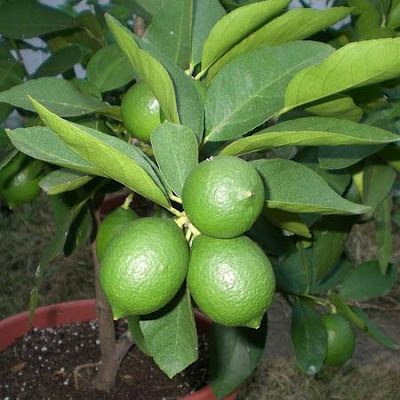
Bearss lime fruit which is a Persian lime.
https://gardencenterpoint.com/persian-bearss-lime-tree-usda-organic/?gclid=Cj0KCQiAt8WOBhDbARIsANQLp97s4-qWtbHVFj7aiuxxXvsfTMjxhAadSA6uqUn-uavMRAA4XQCTFFsaAjbaEALw_wcB

A. Your Bearss lime is classified as a type of Persian lime or sometimes called Tahiti lime. It’s different from other types of limes so make sure you are comparing the same varieties. They make good patio trees if potted and can be moved when it gets too cold. They will freeze any time the air temperature is below freezing. The fruit normally gets between two and 2 ½ inches in diameter. To get large fruit requires removal of about one third of the fruit in about April in a growing operation called thinning.


Thinning is removing of some fruit so the remaining fruit get larger. They wont get any larger than they can anyway so removing lots of fruit does not increase the size of the remaining fruit larger than is genetically possible. In the case of Bearss lime, you will not get much larger fruit than about 2 1/2 inches long. The earlier thinning occurs then the larger the remaining fruit. Remove about one third of the fruit if the crop load is heavy. If the crop load is "light", then you may not have to remove any to get their maximum size.

Limes take 3 to 4 months to become ripe. Because the fruit size is smaller than some other citrus, it is harvested earlier, usually sometime in late summer or fall. But if it flowers and sets fruit later in the spring or early summer then the fruit is ready to pick later as well.

Bearss lime starting to get overripe on the left. Ready to pick on the right.

                                           https://tastylandscape.com/2013/12/26/growing-bearss-lime-tree/

When the fruit is overly ripe it turns yellow like a lemon, and the interior flesh slowly becomes drier and not juicy anymore. The color of the fruit is normally green; dark green when it’s young and turning a lighter green as it nears its harvest time. It’s important to remove it from the tree before it becomes overripe or yellows. If it starts flowering then it is time to finish your fruit removal. Leaving fruit on the tree when it is flowering can interfere with the next fruit cycle.

Check the ingredients of a plant tonic to see how much nitrogen fertilizer is being applied with a normal application. 

You know the risk involved when growing tender, subtropical citrus in Las Vegas? The perfect climate in the United States for growing citrus is found at the lower elevations in Southern California, Salt River Valley and area around Yuma Arizona, lower Rio Grande Valley in Texas, and the bottom half of the state of Florida. I’m not against growing citrus here but realize its limitations when grown in this climate. Don’t blame the nursery. You bought it.


Tuesday, December 26, 2017

Winter Cold and Chilling Hours May Not Be Cherry Problem


Sweet cherry growing in North Las Vegas Nevada

Q. I have a two-year-old pie cherry tree that needs so many days of cold weather to set fruit next year. Should I cover it with burlap for the winter? And if I do, then should I also cover the trunk or just the branches?  
English Morello sour cherry in North Las Vegas Nevada

A. How much protection you give it during the winter depends on where you live and your lowest temperatures during winter. Cherries are divided into two categories; sweet cherries and sour cherries. Sweet cherries are for eating fresh, out of hand. Sour cherries are considered “pie cherries” and used fresh or canned.
            Sour cherries grow as far north as Michigan so I don’t think low temperatures are going to be a problem unless you live in northern climates. If you don’t live that far north, you don’t need to protect them through the winter.
Bing cherry produced on sweet cherry tree in North Las Vegas Nevada. Don't get excited. Twenty-five sweet cherry trees of six varieties produced twelve cherries in twelve years. Backyards in other locations in the Valley, sweet cherries were plentiful.
            Chilling hours is the number of hours needed below 45°F to recognize winter is finished. When the number of chilling hours have been met, the plant waits for warm temperatures of spring so that it can begin flowering again.
            Chilling hours are important but I think they are sometimes overestimated by growers and scientists. In the Las Vegas Valley, our chilling hours are estimated to be somewhere between 300 to 400 hours depending on winter temperatures.
            I have grown five sour cherries in the Las Vegas climate and have had no problems with flowering even though many of them are rated between 400 to 500 hours. I have had problems getting fruit from the flowers. A lack of chilling does not appear to be a problem for sweet and sour cherries grown in Las Vegas.
            I think the problem of setting fruit in the desert is more likely a humidity problem. Trees growing in backyard residences with pools or lawns set fruit each year in the Mojave Desert. Low humidity and failure to set fruit is a common problem with many tropical trees, with 30% relative humidity seeming to be the lower limit for successful fruit set.

Saturday, December 2, 2017

Nectarine Tree, Flowers but No Fruit

Peach flower open and ready for a pollinator. Nectarines are peaches without any fuzz on the skin. This was taken on February 1 in the Eastern Mojave Desert. There is a danger of frost until the middle of March. This is the most sensitive stage in fruit development to freezing temperatures.
 Q. I live in San Tan Valley, Arizona, and have a Panamint Nectarine that, even though it flowers, has never produced fruit. It is about 7 years old. I keep it pruned to about 8' ft. with an open center style.  My Katy apricot grows about 8' ft away and sets tasty fruit every year.  I am resigned to the fact that I will never taste a Panamint nectarine. The local nursery says were at about 500 chill hours.


Nectarine but I don't remember which variety.
A. The fact that your tree flowered and didn’t produce fruit is a critical piece of information. People contact me and tell me their fruit trees don’t produce fruit, but they fail to tell me if it flowered or not. If a fruit tree doesn’t flower, it’s one set of problems. If it flowers but doesn’t set fruit, then it’s a different set of problems.

            Your nectarine tree flowered. If it had lots of flowers, then I doubt if it’s a lack of chilling hours. Panamint nectarine is self-fruitful, it just needs bees present when it flowers. If there are a lack of pollinators, then you will get a very poor fruit set. Whenever lots of bees are present at the time of flowering and there are no other problems, you get lots of fruit.

Nectarine new fruit developing after pollination.
            Late spring freezes can be a problem with some varieties of all fruit trees. Some varieties are more sensitive to freezing temperatures than others. This can be true of some varieties of peaches and nectarines.

            It can also be true of your location. If you are located in low areas where cold air can accumulate, there is a greater chance of having late spring frosts. Trees that are on slopes where cold air can drain away from them are less likely to have losses due to late spring frost. The most critical time temperature-wise is when the flower is open and through anthesis, i.e. when the petals fall from the flowers.
Arctic star nectarine in bloom about ten years old but pruned to open center and kept below 8 feet tall.
            Tolerance to colder temperatures is greater before the flower opens and after the newly formed fruit has had a chance to gain some size. We are talking only a couple of degrees Fahrenheit but that can mean the difference between setting fruit and not setting fruit.

Immediately after anthesis..when the petals fall from the flower. This peach flower was pollinated and the pitcher-shaped receptable has swollen and ready to grow into a peach fruit. Freezing temperatures, dipping below 32° F, can easily kill this tender receptacle at this stage and cause the flowers to drop from the tree without producing any fruit.
            I never liked Panamint very much. I had them growing at the University orchard and pulled them out after they fruited a few years. I don’t like the tree and I didn’t like the fruit.


Nectarine fruit developing
            After that many tries and getting flowering but no fruit, I would get rid of it. My favorite nectarine so far is Arctic Star. It is a white nectarine with wonderful flavor and aroma. It is one of my favorite fruits of all time. I never had a problem with fruit setting even when other fruit was lost due to late spring frost.
            I don’t agree 100% that chilling hours is that important for several types of fruit. Perhaps some fruit trees are not as sensitive to chilling hours as others. I don’t know. I am growing peaches with 900 chilling hours for 20 years and we have about 300 units in Las Vegas.

Tuesday, August 12, 2014

No Fruit on Dwarf Orange

Q. I have a dwarf orange tree planted a little over a year ago. There have been no oranges on the tree. I have fertilized and I think I've been watering it correctly. The tree appears to be healthy, just no fruit. Any suggestions?

A. Dwarf orange is not much help to me. The subject of oranges is huge. I need to know what type of orange it is, whether it has produced flowers or not or if the flowers formed but failed to produce fruit. Varieties vary from early ripening - about 8 months from bloom - to late - up to 16 months from bloom.

There are three main groups: The normal fruited, without navels and with light orange colored flesh; the navel oranges, with a distinct navel development at the end; and blood oranges, with red flesh and juice.

There are about 73 varieties but US production focuses on Valencia, Washington Navel, Hamlin, Parson Brown, Pineapple and Temple. 

For home gardening there are many more than these six available from nurseries. Here is a publication from Arizona on citrus varieties.

extension.arizona.edu/pubs/az1001.pdf

Monday, April 29, 2013

Some Fertilizers Will Cause Staining


Q. I have a question regarding fertilizing.  My husband used a fertilizer that stained our pavers and the bottom of our pool in spots. Do you know of a solution to remove those stains?


A. The fertilizer most likely had iron sulfate in it. The spots would be dark reddish brown or brown. Muriatic acid would remove it. Be careful using it.

Iron spray staining grape berries. Be careful spraying iron on fruit vines and trees that have fruit on them if you
care about appearances.
            If it is in the bottom of the pool and water is in the pool there is not much you can do about that unless the pool was empty. The bag should have warned you, hopefully, to use a drop spreader if it was for a lawn.

Sunday, June 10, 2012

Make Jelly From the Fruit of Your Ornamental Plum

This is cherry plum, not from the ornamental tree but the
same fruit sold as Delite cherry plum


Q. We have a flowering plum (supposedly ornamental) tree in our front yard.  This year it is covered with small walnut sized plums.  Are these edible?  I am envisioning plum jam if they are edible.

A. Yes they are! These plums are sour but great flavor so use lots of sugar and follow your favorite plum jelly or jam recipe. By the way, it can also be used to make wine or infused into vodka or grappa with sugar and let it stand for three to four months or longer. I was put to shame by one of our local winemakers who brought me some of his ornamental plum jam and another with his infused vodka.

Purple leaf (ornamental) plum
            Because the plums are so small wash and put them into a pot and add enough water to cover them. Boil them for 20 minutes or the skins pop. Mash with a potato masher. Continue to cook another 10 minutes. Let cool.

            Strain mashed fruit through cheesecloth or jelly bag. Add Sure Jell to filtered juice and extra water and bring back to a rolling boil, stirring all the time. Add butter and all the sugar and boil for one minute. Skim and pour into jelly jars.

 Ornamental Plum Jelly
4 c. plum juice
1 c. water
6 1/2 c. sugar
1 box Sure-jell
1 tsp. butter

Tuesday, June 5, 2012

Problems With Ants in Our Fruit!


Q. Can you recommend a pesticide to protect backyard grown fruit trees from ants? They are crawling up the trunks and they get to the fruit before the birds even have a chance let alone us!
Aphids on the bottom of an apricot leaf. The honeydew
from these aphids is "milked" by ants for their sugary
energy. Control the aphids = control the ants.

A. The ants are usually going up the tree and into the leaves for honeydew from aphids at first. They seldom attack fruit that is firm but usually attack fruit that is already soft. Because they are after honeydew (the excrement from aphids which is really leaf sap full of sugars) the ripe fruits are a natural place for them to look for additional sugars.

            There are a couple of things you can do. First is to find and treat the ant nests in the ground. Follow these critters back to where they are coming from and pick up some Amdro from Lowes or Home Depot. Treat the ant nest in the ground. It is not a problem to use around fruit trees.
            Secondly, spray the fruit tree with insecticidal soap to reduce the aphid population. You will have to do this multiple times, perhaps once a week since soaps do not have any staying power and only kill insects it comes in contact with.
            Thirdly is to harvest the fruits (peaches, plums, apricots, pluots) early when they are still firm and not soft. Let them ripen at room temperature in the house and they will still be very high in sugars and taste great. This is usually about a week before they are fully ripe on the tree.
            If you do not know when this is then this year mark it on your calendar so next year you will know. Or you can simply taste a firm fruit after it has turned color. When it is sweet but still firm then pick the ones that are ready and stay ahead of the ants and birds.