Type your question here!

Tuesday, March 29, 2022

Will a Caper Bush Grow in Las Vegas?

Q. Will a caper bush (Capparis spinosa) grow in Las Vegas? Where might I buy one? I called a local nursery and got nowhere.

A. Briny capers are the unripened flower buds from a wild spiny plant that grows in the Mediterranean region and parts of Asia. Immature flowers from these plants are dried and then put in a brine solution for preservation. Their lemony, floral hints might remind you slightly of green olives since they are added to food as a condiment.

More on Capers from Wikipedia

            The plants are usually started from seed but I’m sure some entrepreneurial online nursery grows them as plants to sell. They are about 3 feet tall and wider than they are tall since the stems tend to lay down if given a lot of water. 

I have never tried to grow them in our climate. They have enough cold tolerance and they are Mediterranean. I would try it on the Eastern side of a building with soil improvement and additional water at the time of planting. I’m no expert but if this plant grows in the dry, hot Mediterranean region, it has a good chance of surviving our desert climate as well.  The information I saw maintains they are good down to winter temperatures of about 20°F when they get older and larger. If temperatures get in the low 20s this plant suckers from its base. Think Bay Laurel, oleander, Italian Cypress, and you’ll get an idea of the climate and soils they like.

Finely Ground Eggshells are Okay for Desert Garden Soils

Q. I read somewhere that putting crushed up eggshells is good for the garden, so I have been doing that. I also throw tea leaves and coffee grounds on the garden which I know is good, but I was wondering about the eggshells. Are they helpful and I should continue or forget it and throw them out?

Eggs and bananas at our farm in Batangas, Philippines. Ground up eggshells are better chemically for the soil in out tropical, high rainfall soil than in the desert where there is plenty of calcium. Banana peels release more nutrients than the eggshells. 

A. They do two things; organics improve the structure and texture of the soil and add to its chemistry. Warm wet soil decomposes the smallest stuff first. Put eggshells and tea leaves in a blender with some water before composting or adding them to a soil. Coffee grounds are already “ground up” so it’s not necessary to use a blender. 

Any kind of “organic” breaks down in the soil through the action of organisms where it turns into “Black Gold”, improving soil structure and slowly releasing the chemicals they contain. There is a lot of information available on the chemicals released by eggshells, tea leaves and coffee grounds. But get them small if you want them to be released quicker. When adding stuff to the soil it is better to add a whole bunch of different stuff than just one thing like all eggshells or all banana peels.

Eggshells are mostly calcium, the same kind used to increase alkalinity in soil  It is better for soils that are more acidic such as higher rainfall areas. But still eggshells are not bad for the soil. 

Garage of Old Fertilizers - What to Do?

Q. What do I do with all the partially used chemical fertilizers in my garage?

Chemical storage.

A. Most mineral fertilizers can be applied as the fertilizer bag recommends. They dont go bad unless they get wet. 

Some fertilizers that contain pesticides must be disposed of properly. If your fertilizer does contain a pesticide then ask me how to get rid of it. If permitted and you no longer want or need these types of fertilizers, give them to your non-organic neighbors for application. It’s best to use them up as normal applications rather than put them out as garbage.

            The mineral fertilizers considered “hazardous waste” usually have a weed killer or insecticide that is no longer permitted to be applied by homeowners. These fertilizers should be considered hazardous waste and disposed of according to county regulations that are intended to protect our water supply. Other types of mineral fertilizers can legally be applied. But ask to make sure.

Monday, March 28, 2022

Replace Conventional Fertilizers with Organic Fertilizers

Q. I want to replace all my chemical fertilizers with organic formulations. The problem is that I’m not finding any organic fertilizers for landscape trees and shrubs such as podocarpus and photinia. Is it possible to make my own? Please tell me what you recommend.

For the USDA National Organic Program find fertilizers that are OMRI Listed or Approved for the USDA NOP. Other countries, places and people have different definitions of "organic".

A. The definition of “organic” can be difficult. To some people organic means free from pesticides and mineral fertilizers. To others it’s things like fish emulsion, kelp meal, bone meal guano, etc. To others it means strict adherence to the USDA definition of organic. In the United States the term organic usually means it’s a listed product of OMRI (Organic Materials Review Institute) which recommends products for the USDA’s National Organic Program (NOP).

OMRI Listed - USDA NOP

            There are fertilizers in bags listed as OMRI approved. I would look for the word “Organic” mentioned somewhere on the bag. Technically, a product cannot mention the word organic unless it’s recommended for USDA’s organic program. One that comes to mind is the OMRI Listed fertilizer called, “All Purpose” manufactured by Grow More. It resembles a mineral fertilizer when you open the bag but it’s one of the “organic” types.

Chemical to Cause Fruit Drop in Ornamental Plum

Q. I have an ornamental flowering plum that produces fruit. I want to spray it to stop the fruit production and the messiness it brings. Last year I had a commercial applicator apply it, but I think I want to save some money and do it myself this year.

This is ornamental (flowering) plum fruit. The fruit is harvested by many to make a very tart (lots of sugar) jam or jelly. Commercially it is available as a fruit tree called 'Sprite' and 'Delight'.

A. Mark your calendar because yours will flower within the same week, plus or minus, every year. You’ll have to spray the tree with a chemical every year to get the fruit to drop when it’s still small and prevent the messiness later. To get it to work, spray the entire canopy of the tree when as many of the flowers are open as possible.

Applying Olive Stop

            You will find it under several different similar trade names like, “Olive Stop”, “Fruit Eliminator”, “Fruit Be Gone”, or some similar name. What is important is the active ingredient listed on the front label in small letters. The most common active ingredient is Florel, but you might also find it listed as NAA, Fruitone, etc.

How to Use it

            This concentrated spray is diluted with water and first sprayed when the flowers on the tree are fully open 20 to 30%. For best results it is sprayed again at 80% of full bloom a couple weeks later. Commercial applicators spray the tree a single time when it’s close to full bloom. It’s a good idea to include a wetting agent or surfactant before spraying to improve the sprays coverage and penetration.

            It’s important that the flowers are open and sprayed to the point where the inside is wet, and the flower starts dripping when you’re finished. The canopy of the tree is dripping with the spray when you’re done. This is called “to the point of runoff”. Spraying the open flowers above their reach is the usual problem for most homeowners because they don’t have a good way of spraying all the flowers.

Ornamental Flowering Plum

            The ornamental flowering plum is an actual fruit tree. Nothing wrong with the fruit. It’s naturally “puckery”. Many people make jam and jelly with it when the fruit is not sprayed. I would not recommend making jam or jelly with it if it’s been sprayed. Add as much sugar to it as your taste permits.

Mormon Tea Disease or Drought?

Q. At our wildlife preserve near Midland, Texas, I found ephedra plants (Mormon tea) that looks like it might be diseased. Other plants in the area look fine. We are currently in a severe drought condition, but most ephedra clumps are flowering. Have any ideas?


Disease or drought? Give it to a pathologist and they will claim its a disease. Give it to a soil and water scientist and they will claim drought. Are they both right? Which came first, the chicken or the egg.

A. Native plants like “Mormon tea” or ephedra will dieback when the soil gets dry for a long time. That;s their nature. Dying back is normal but it can be confused with a disease, or it might be a disease causing it. Sometimes native plants succumb to diseases when they are weakened and don’t receive enough water. But don’t worry. They will spring back to life during the next rain.

Drought?

Water in the soil is irregular in supply because of its distribution and the soils capability of storing water. For this reason, some plants receive more water than others just simply because of differences in soil texture (variability in soil, various amounts of sand, silt, and clay). Because of genetics some plants are more susceptible to disease than others.

Disease?

            If your curiosity is bugging you, the way to find out which disease is to contact your State Plant pathologist and send in a sample. But this may not give you an answer you can apply but it may solve your curiosity. I'm guessing the State Plant pathologist will confirm there is a disease present but it's probably one of the less vigorous diseases like Cytospora spp. that affects weakened various plants that are in the process of dying back due to a lack of water.

An Alternative

            Instead of sending it to the pathologist I would take a couple of gallons of water and pour about a quart to 2 quarts of this water at the base of several of the “diseased” plants and watch what happens. Reaction by the plant might take two weeks in warm weather. You may see some new growth at the base of the plant in a week or two. Then again, you might not. It depends on what you want to learn; is there a disease present? Or do you want to solve the potential disease problem?

African Sumac Limb Disease

Q. My African sumac tree has a fungus in it. I am thinking of cutting off the whole main branch because of the disease but it’s a guide branch and I hate to do that. Or can I just cut off the branch that broke? Any info you have would be greatly appreciated!


Bottom picture is limb of African Sumac reportedly dead. The top picture is the inside of the limb cut open to show the dead part inside.


A. The disease won’t spread to healthy parts of the plant. The rot or disease spreads internally inside the tree because it's what we call "saprophytic" and only attacks dead or very weak wood. There is nothing you can do to stop it.

Tree Biology

            The center of the tree is composed of dead wood. The only living part of the tree is a thin ring just under the bark. This living part is strong enough to stop the spread of this "saprophytic" disease. The only thing you can do to help your tree is to make sure that whatever you use to cut or prune the wood is as clean and sharp as possible.

Narrow crotch angles are not good in landscape trees. They are shaped like the letter "V". After time they start to split as their weight increases and rot can begin on the inside of the trunk.

Narrow crotches start to split during the wind and its internal dead wood begins to rot. This rotting will not affect the living parts of the tree. Only the dead parts.

            My guess is that this “rot” started at the top of a narrow crotch; where two limbs come together. Narrow crotch is making the letter V when you look at it. Week crotches can split in strong winds particularly if the inside of the tree has been starting to rot there. A strong crotch angle makes the letter “U” and less likely to start rotting in that spot and then split apart in strong winds.

             Prune it enough to shape the tree the way you want it. Just cut off the branch that broke very close to the next larger branch and let it heal and completely close it off in three or four years. It takes longer to heal if it’s not cut close to the trunk so there is no longer a stub remaining. If the tree looks healthy to you otherwise then don’t worry about it. Cut off the limb close to the trunk with a clean blade.

Washington States Department of Agriculture: Fertilizer Composition

I think it was the cleric and economist Robert Malthus who developed a theory that large populations of organisms would slowly make their own environment more "toxic" and no longer sustain themselves. In some ways what he observed is true. We are living in an environment that is becoming more "toxic" as we grow our own food. Some of these "toxicities" come from industrial processes and some of them from our own efforts.

Plastics found in human blood

Fertilizers and Toxicity

Our worlds are becoming more and more toxic. A few states in the US have posted the level of toxicity in fertilizers for home gardens. There has been lots of research on this topic. Brochures exist on heavy metals and gardens. And here. These toxicities are below what the US EPA considers "safe" for human health but they do exist.

Another problem with additions to garden soils are the levels of pharmaceuticals used when producing gardens soils and compost.

This is from the Washington State Department of Agriculture website

Glad You Selected a California Pepper Tree


Q. I have a California pepper tree near my pool that’s constantly dropping leaves into it. I am wondering if I can lower its height so it will drop fewer leaves and stems. Anything else I should think about?

Because pepper tress are usually evergreen during warm winters in southern Nevada they will drop their leaves all season long.

A. California pepper tree is a better selection than Brazilian pepper. But they are both evergreen and can pose a problem near water that you want to keep clean. Evergreen plants constantly drop leaves all season long but drop their leaves heaviest soon after times of new growth. A deciduous tree that drops its leaves for the winter months is a better choice near pools because you clean the pool only once.

Read more about pepper trees here

Make Sure its Not Water

Make sure it’s not dropping leaves because of a lack of water. Increase the amount of water and the frequency of application to make sure it’s not dropping its leaves because the soil is too dry. The recommended frequency of water application by water purveyors is correct for mesic trees growing in landscapes. Check to make sure enough water is applied each time to penetrate the soil 18 to 24 inches deep. Make sure that water is applied to at least half the area under the tree canopy. Water again when the soil at 8 to 10 inches deep is about half full of water or starting to dry out. To reduce soil evaporation and we growth, apply a surface mulch of rock or woodchips to a depth of 2 to 3 inches.

            Also remember to apply water on, or just before, windy days. Use your weather app on your phone to judge when it will be windy in the future.

You're Right

            You’re right in that lowering the trees height decreases the amount of leaves and stems you must clean up, but evergreen trees are still going to drop leaves at inconvenient times of the year. If you decide to lower the trees height rather than replace the trees, then pay the extra expense to have it done correctly by a licensed arborist. Not all licensed arborists are good at pruning trees. See some examples of their work before you employ them.

Wednesday, March 23, 2022

Organic Production in US and Recent Additions to NOP List


USDA Amends the National List for

Organic Crops and Handling

Final Rule Published

The Organic Foods Production Act created the National List of Allowed and Prohibited Substances (National List) as a tool for managing the substances used in organic production in the US over time. In general, natural substances are allowed in organics, and synthetic substances are prohibited. The National List identifies the limited exceptions to these general rules. The National List also identifies nonagricultural and nonorganic agricultural substances (ingredients) that may be used in organic handling. Changes to the National List require a National Organic Standards Board (NOSB) recommendation and USDA rulemaking, a process that provides multiple opportunities for public comment.

Today, the USDA published a final rule in the Federal Register to amend the National List for crops and handling based on public input and October 2019 NOSB recommendations. This final rule provides additional options for organic farms by adding two substances to the list of substances allowed for organic crop production.

This final rule allows:


About the National List

More information on the National List, including how and why substances are added or removed, is available on the USDA, National Organic Program, National List webpage.

Thursday, January 20, 2022

Is it Safe to Fertilize and Water Plants in the Fall?

Q. Being I have several neglected outside plants that need attention, I cleaned their dead growth and replaced any soil missing with new potting soil.  Is it safe to fertilize and water this time of the year using Miracle Gro and tonic?

Miracle Gro was purchased by Scotts and some in sales say the quality has gone down among chemical fertilizers. As far as I am concerned, it is water soluble and carries the right combination of nutrients and low in toxic elements, who cares?

A. You didn’t tell me which plants you have, I don’t know which Miracle Gro fertilizer you want to apply, and I don’t know what the “tonic” means. To be on the safe side don’t apply anything to the soil or to the plants until winter temperatures warm up sometime in February or early March.

Plant tonics are not regulated and can contain anything the manufacturer wants to add. Make sure the nitrogen content of a plant tonic is low enough that you are not stimulating any late growth of winter tender plants.

To be more specific, if the plants are winter tender (freeze above 25F in our climate) then don’t stimulate any new growth with any nitrogen fertilizer. Wait it out until spring. Don’t apply any high nitrogen fertilizers (fertilizers with the first number on the bag highest) until late February or early March. The later you delay applying fertilizers during the winter the better. The same holds true of the “tonic” that you mentioned.

Super thrive falls in the category of a "plant tonic" in my opinion. It is not a fertilizer or it could fall under the states fertilizer laws and be regulated. Some "plant tonics" people swear by and some people swear at. If it contains nitrogen in the ingredients, be careful of stimulating late season growth if the plant gets an excess.

In the future don’t use “potting soil” to fill holes or empty spaces in the soil. Try to match well the soil you are applying closer to the type of soil surrounding the plant roots. Potting soil is usually too “fluffy”. If you already have this potting soil or can’t do this for some reason, then make sure potting soil is mixed well with the surrounding soil and then water thoroughly.

Tuesday, January 4, 2022

Can I Use Burlap as a Shadecloth?

Q. Can I use burlap for shade cloth?

Burlap fabric 


A. Don’t use burlap as a solid piece in place of shade cloth for permanent shade. It is fine for creating permanent shade for people or pets but not for plants. Be careful how much heat it traps under it if it is located too close to humans and other animals. Plants are green and need sunlight for photosynthesis. Usually about 60 to 70% sunlight. People and pets don’t need as much.

Use Shade Cloth Instead

It comes in different percentages of shade ranging from about 30% to 100%. Shade cloth for plants ranges from 20 to about 50% shade. Plants that flower and produce fruits like tomatoes, peppers, and eggplant need more light than leafy plants: 20 to 40% shade. Shade more than this interferes with flowering and fruiting.


t
This is 30% shade cloth used on a tunnel for growing sun sensitive vegetables and herbs in the desert sun in Las Vegas

Plants that only grow leaves and no flowers such as lettuce, spinach, Swiss chard, greens can handle shade up to about 50%. After 50% shade, they grow poorly. Too dark. Not enough light. Most burlap I have seen produces much more shade than this and would not be a good choice when growing plants.

 You can make 50% shade out of wooden 1x2's by omitting every other piece of wood. These are called “lathe houses”. Similarly, 30-40% shade can be done the same way but by eliminating 2 and leaving every 3rd 1x2.

Monday, January 3, 2022

Getting Asparagus Ready for Winter

Q. I've been getting e-mails about preparing asparagus ready for winter. They recommend cutting the stems 2" above the ground, then apply compost then mulch.  Is that what I should be doing to get the plants ready for winter?

When temperatures get cold and start to freeze, asparagus will turn brown, the tops die. Sometimes they stay green all winter long if we have a warm winter.

A. That’s not what I liked to do with asparagus. I found that 2 inches of “stubble” created by cutting the stems above ground interfered with my work getting ready for next year’s spring crop. I preferred to cut this woody stem growth about an inch below the soil surface with a thick knife or asparagus knife on about January 1. 


I prefer to cut the spears when I harvest them and sort them in the shed or kitchen. I find that the asparagus stubble scattered in the field interferes with walking and harvesting. https://www.harryepstein.com/asparagus-knife-usa-weeder.html?gclid=Cj0KCQiA2sqOBhCGARIsAPuPK0jTKUY5H9kiydW_sFC5-Nf8fPNb1csto5wpHWzPw97TMJAXE-aI5SoaAjRlEALw_wcB

If we have a cold winter these stems (called fronds) freeze and turn yellow. With a warm winter they stay green.

  • Don’t reapply asparagus stems as a mulch to your old asparagus bed or to any vegetables due to allelopathy. I would burn it instead.
Regardless of how they appear in the winter these ferns still need to be cut back to get ready for next year’s production. After they are cut and in late winter, a fertilizer such as rich compost or regular compost plus a mineral fertilizer high in nitrogen, needs to be applied. Asparagus loves rich soil.

Bare Soil Warms Faster

Bare soil warms up faster than a cold winter soil covered in mulch. A warmer soil means an earlier asparagus spear harvest. If you can keep an eye on your asparagus emergence, then apply the mulch when you first start seeing spears if you want early production and not earlier than this. Next year’s production can start as early as January. If you want production later in the spring, then mulch them immediately after you apply the compost or manure.

How to Make Plants Healthier So They Can Handle More Heat

Q. I wrote to you before about my plants and you said to move them to a cooler location. You also said that if they were healthy, they can take a hotter location. I don’t want to move these plants so can I improve their health and not move them? What about a different irrigation strategy?

Add compost to the native soil so that it has more organics in it
 This raises the organic content of desert soils.

When you are done adding compost  to the soil to raise its organics, lay organic mulch on top of the soil surface to continue to "feed" the soil organics over time.


A. The relationship between plant health and how much heat stress it can take is tricky. The most common reasons for poor plant health is its location in the landscape, soil improvement or lack of it and irrigation. It’s very helpful to know where a plant originates. The plants origin tells you it’s best location in the landscape, how much soil improvement is needed and its irrigation requirement. This prior attention to details reduces your involvement in the landscape.

If the plant originates from cooler climates but can handle the heat, it performs best if it’s planted in the cooler parts of a landscape. It performs best planted on the east side of the landscape so it gets shade from the hotter late afternoon sun.

Add Organics to the Soil Like Compost

All plants benefit from some amount of structural amendment (think compost) added to the soil at planting time. The amount of amendment should vary from 10 to 30% (one in ten shovels full vs. one in three). Desert plants from the Southwest benefit from the 10% soil improvement but plants that originate from non-desert countries benefit from 30%. Throw in a couple handfuls of high phosphorus fertilizer as well.

More Water?

As far as irrigation goes, what size was the container at planting time? Plants bought in 5-gallon containers should receive five or 6 gallons of water at each irrigation. Plants growing in 15-gallon containers should receive 15 or 16 gallons of water. When irrigating new plants larger than this at least half of the volume of its container should be used to judge how much water to apply when first planted. How often to apply this water depends on the time of year or season. This is what is changed seasonally on the irrigation clock.

Interior Plants May Be Beneficial in Reducing the Spread of Covid-19

The interior plants thought to reduce the spread of SARS/COVID-19 due to air purification are the same plants that were previously tested for filtering interior air in research;

Lady Palm, Peace Lily, Alii Fig, Weeping Fig, Peace Lily, Areca Palm, Corn Plant, Dumb Cane, Dracaena ‘Warneckii’, Philodendron, Golden Pothos, Arrowhead Vine, Snake Plant, Croton, Umbrella Grass.

Snake plant or Sanseveria grown as an interior plant.

How Covid-19 Spreads

The virus can stay for a long time in the air, increasing the need for air purification as a mitigation method. Primarily transmission occurs within 5–6 days of the infection. COVID-19 patients show symptoms that vary from dry cough, fever, breathing difficulties, fatigue, headache, diarrhea, sore throat to severe pneumonia.

The virus has been shown to spread via three main routes; small aerosols, large airborne droplets, and close contact with infected surfaces and people.  The latter two can be handled via disinfection of surfaces and the use of proper protective equipment. Small aerosol droplets, however, are harder to contain and considered the main source of spread since they travel in the air and remain viable for around 3 hours. Most respiratory infections are transmitted via respiratory droplets when coughing and sneezing and then deposited onto surfaces.  A recent study was able to detect viral presence in hospital air samples in isolation rooms. Another study revealed that more than 60% of the air samples from COVID-19 patient rooms contained the virus.

Research Done on Interior Plants That May Lower the Spread of Covid-19

For all these reasons, air purification is recommended to be used in all public and private indoor spaces to contain the spread of the virus in areas with poor ventilation. Air purification via filters, UV radiation and ionization could be used to clean the air in large companies and facilities. Homes may be a different matter.

Several studies have shown that indoor plants enhance air quality, remove pollutants, and reduce bacterial and fungal infection spread, none of which were on airborne viruses. The techniques by which plants purify the air are not fully understood, and limited research information is available discussing their role in controlling viral transmission. More research is required in the search for methods of lowering transmission rates as the indoor plants were found to increase human comfort and enhance overall human health.

References

Sunday, January 2, 2022

Making Bearss Lime Fruit Larger

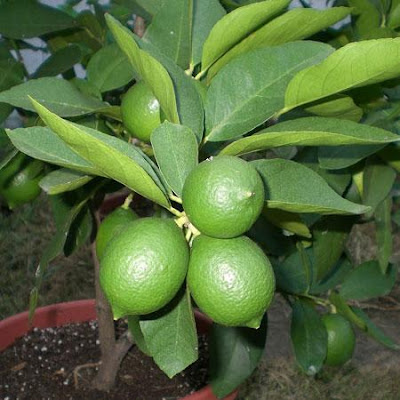
Q. I have a Bearss Lime tree that produces small fruit that looks more like lemons than limes. What can I do to make them larger and not yellow but green?

Bearss lime fruit which is a Persian lime.
https://gardencenterpoint.com/persian-bearss-lime-tree-usda-organic/?gclid=Cj0KCQiAt8WOBhDbARIsANQLp97s4-qWtbHVFj7aiuxxXvsfTMjxhAadSA6uqUn-uavMRAA4XQCTFFsaAjbaEALw_wcB

A. Your Bearss lime is classified as a type of Persian lime or sometimes called Tahiti lime. It’s different from other types of limes so make sure you are comparing the same varieties. They make good patio trees if potted and can be moved when it gets too cold. They will freeze any time the air temperature is below freezing. The fruit normally gets between two and 2 ½ inches in diameter. To get large fruit requires removal of about one third of the fruit in about April in a growing operation called thinning.


Thinning is removing of some fruit so the remaining fruit get larger. They wont get any larger than they can anyway so removing lots of fruit does not increase the size of the remaining fruit larger than is genetically possible. In the case of Bearss lime, you will not get much larger fruit than about 2 1/2 inches long. The earlier thinning occurs then the larger the remaining fruit. Remove about one third of the fruit if the crop load is heavy. If the crop load is "light", then you may not have to remove any to get their maximum size.

Limes take 3 to 4 months to become ripe. Because the fruit size is smaller than some other citrus, it is harvested earlier, usually sometime in late summer or fall. But if it flowers and sets fruit later in the spring or early summer then the fruit is ready to pick later as well.

Bearss lime starting to get overripe on the left. Ready to pick on the right.

                                           https://tastylandscape.com/2013/12/26/growing-bearss-lime-tree/

When the fruit is overly ripe it turns yellow like a lemon, and the interior flesh slowly becomes drier and not juicy anymore. The color of the fruit is normally green; dark green when it’s young and turning a lighter green as it nears its harvest time. It’s important to remove it from the tree before it becomes overripe or yellows. If it starts flowering then it is time to finish your fruit removal. Leaving fruit on the tree when it is flowering can interfere with the next fruit cycle.

Check the ingredients of a plant tonic to see how much nitrogen fertilizer is being applied with a normal application. 

You know the risk involved when growing tender, subtropical citrus in Las Vegas? The perfect climate in the United States for growing citrus is found at the lower elevations in Southern California, Salt River Valley and area around Yuma Arizona, lower Rio Grande Valley in Texas, and the bottom half of the state of Florida. I’m not against growing citrus here but realize its limitations when grown in this climate. Don’t blame the nursery. You bought it.


I Cut Down Mesquite Tree. Now What?

Q. I cut down a mesquite tree I thought might lift my walkway leading to my residence. I was worried about waterlines and roots. Will the roots die or will they continue to grow? 

Velvet mesquite, an Arizona native tree, can sucker when younger but many of the mesquite stop suckering from the base when they get older.
https://mswn.com/plants/prosopis-juliflora-arizona-native-mesquite/


A. If the mesquite tree was cut down so that its top was removed (the part of the trunk at the soil surface and a little bit below) the roots should die. I dont see any suckers from this tree when it gets older so it should not sucker once it is cut down.

There are some trees which grow from the roots after they have been cut down but most mesquite trees do not. There can be some genetic differences. Let it grow the following year, give it some water, and see if produces some suckers or not. Roots of most mesquite trees usually do not sucker and continue to live after the tree was cut down. If you see no new growth from the roots after the tree was cut down, then the entire tree is dead and the roots will slowly decompose in the soil in a few years. 

Kill Living Roots

 If a short stump remains after the tree was cut down, consider taking a 1 inch wood bit and an electric drill and drill vertical holes as deep as you can in the remaining stump. Drill them within an inch of the outside bark. Drill as many as you can but put them no further than 1 inch apart. It is not necessary to drill vertical holes in the center of the trunk because that wood is already dead. 

You dont need to drill holes in the center of the tree because that is already dead unless of course it is a palm tree.
https://www.familyhandyman.com/project/how-to-remove-a-tree-stump-painlessly/

The only living part of the trunk is close to the bark. Pour salt down these holes, copper sulfate or anything concentrated to kill the crown or use diluted weedkiller (look at the ingredients for glyphosate, dicamba, triclopyr) if the label permits it.  Some like salt and other homemade remedies are not systemic like glyphosate is and technically are not permitted.  Read the label and it will tell you what the dilution should be but it is usually the same dilution that is recommended for weed control.

Leaves Yellowing on Calamondin Citrus Tree

Q. What causes leaves to yellow and black spots to develop on leaves of my calamondin citrus tree? I had them for seven years and they just now developed these yellow leaves with black spots. Nursery information desk advised picking off all affected leaves (but there are too, too many) then spray with cooper fungicide.

A. Combined with leaf yellowing, it sounds like either a nutrient or watering problem or both, not a disease problem. Copper sprays like Bordeaux Sprays, are usually recommended for disease control but I don't think that is it.


This is photinia but you get the leaf yellow idea from this pisture.

Try this:
    1. Cover the soil with 1/4 inch of rich compost or compost plus some fertilizer high in nitrogen
    2. Then cover the compost or compost/fertilizer with woodchips
    3. Apply a citrus fertilizer in January
    4. Try adding an iron fertilizer (I suggest an iron chelate called 133 or iron EDDHA)

This is the most effective iron treatment (EDDHA chelate) but it is more expensive than other iron chelates. Apply it in the spring (February) or no later t
han early summer (April/May) for best results.

If these citrus trees are in rock mulch, then it's a nutrient and drainage problem. Auger four or five holes into the ground, 2 feet deep and 1 to 2 feet from the trunk, to improve drainage. Fill these holes with soil mixed 50/50 with compost and an iron fertilizer.

Citrus fertilizers contain plant nutrients in higher concentrations than other plant nutrients particularly when these fertilizers are formulated for the desert Southwest like Arizona's Best and Grow Well brands.
            
Mix iron chelate with the compost before using it to fill the augured holes. Water once a week through the augured holes, filling them with a hose. Also, try spraying the leaves with an iron chelate solution four or five times, a few days apart. If this is an iron problem, even though it’s caused by poor drainage, the leaves should begin to get darker in color.

Put about four of these holes about 18 to 24 inches from the tree trunk  and 2 to 3 feet deep to improve drainage. If they are filled with gravel or woodchips they will stay open. They act as drainage sumps (French drains) around trees (vertical mulching).

Nutrient problems can be caused by poor drainage. That's why I'm giving a recommendation to improve the drainage using vertically augured holes and combining it with a compost and iron application at the same time.

How to Kill a Yucca

Q. I had a yucca plant that has been in the ground 15 years, so you can guess how large it was. It was encroaching on the sidewalk, so felt we had to remove it.  We were unable to dig it up, so we took a chain saw and cut if off at the base and turned off the water. Within 3 days, we had 20 new shoots. Can you advise how to kill this plant?
Joshua tree (Yucca brevifolia)  in Sandy Valley. A xeric (watered infrequently) yucca.  Little rain in the Mojave Desert causes a small amount of growth every year.

A. I dont know what kind of yucca this is. There are yucca that are "mesic" and others that are "xeric". In the Mojave Desert climate it will eventually die because of a lack of water unless something is growing a few feet away that needs water. If water from other plants is close enough, the roots will take that water and use it. 
Another type of Yucca (probably Y. gloriosa) which is mesic (watered more often than xeric) and more commonly found planted in the Southeastern US.

When you cut it with a chainsaw you leave behind a small amount of stem attached to the roots. The stem, and not the roots, can provide new growth at certain times of their lives or when they are damaged. In most cases I know of, the roots alone cannot do this. Only if there is some stem (trunk) tissue left behind.

There is a portion of the stem just above the roots which can send rhizomes into the surrounding soil to produce new plants called "pups". Not all yuccas will do this. Evidently, yours is one that does. Some Joshua trees can produce pups while others will not. Conservationists believe it is a trait of Joshua's growing at higher elevations but not lower elevations. Regardless, if you can kill all of the stem tissue down to the roots this should stop any regrowth of the plant. You can try drilling some holes in the remaining stem about half an inch from its perimeter and as deep as you can. Fill these holes with a diluted weedkiller or use copper sulfate. If it's a liquid, fill the holes several times. If it's a solid, fill the holes once. This should kill the stem and prevent any new growth.

Sweet Bay Tree May Struggle During High Summer Temperatures

Q. Sweet Bay trees (Laurus nobilis) border our property on all 4 sides totaling about 35.  They are now about 15 feet tall with 5" trunks.  We have lost trees in the past from under watering.  How many gallons of water should each of these trees receive on the winter watering day?

Bay Laurel leaves

A. You may know Dr. Devitt from UNLV and I published research articles on water use in the past in numerous research journals. Plants are extremely variable in water use depending on their type, size, where they are planted, and how they are grown. We published a book on irrigation of trees, and it is available on Amazon.

You will get many different responses on plant water use depending on who you talk to. However, we do know this: the more trees present, the more water is needed and the bigger the tree is, typically the more water it uses. Conversely the way to reduce water use is to plant fewer plants, use open spaces in creative ways that don’t require water and use desert trees that mature into a smaller size.


The picture above shows a mesquite tree with a 20 foot diameter canopy (left) and an apple tree with a 20 foot diameter canopy (right). The mesquite annual water use would be about twice that amount (4600 gallons each year) and the apple about twice that amount (13,600 gallons each year) as well. The water savings is in how often water is applied (frequency of irrigation). They both need water applied to wet their roots to the same depth (the minutes are the same in the same soil) but the mesquite water is applied less often. The soil become drier between irrigations. That means they should be on separate irrigation valves (hydrozone). 
https://leafnetworkaz.org/Water-Resource-Strategy

To roughly estimate tree water use, assume trees are divided into three categories; very low water use (e.g., foothills palo verde @ 0 to 2 feet of water), medium water use (e.g., vitex and bay laurel @ 2 to 4), and high-water use (e.g., mulberry and poplars @ 4 to 6). Moderate water use means it uses from 2 to 4 feet of water (applied under its canopy) each very year. FYI, tall fescue lawns use between 7 to 8 feet of water in this location and soil. It has shallow roots and NOT a desert plant to look good.

I recommend applying this amount of water to at least half the area under its canopy every year. (The reason I say half of that area is because I am realistic when it comes to home watering and know that people will not apply water to a the 20 foot diameter area needed by trees with a 20 foot diameter canopy!) When water is applied each time, apply it so that the soil becomes wet to a depth of 18 to 24 inches. If water is applied to half the area under a bay laurel tree (20 feet tall) so that half of this area is wet, one tree will require from 9000 to 10000 gallons of water each year. The same area covered by a lawn requires about double that.

Desert trees like the mesquite will be watered again just before the leaves will drop or as the tree canopy begins to thin out. That's your signal to water! During summer heat with desert trees like mesquite that might be once a week or once every two weeks. During the winter that might be once a month or once every two months. The deep roots will take over water uptake when the upper soil gets too dry.